 Anamica
 Introduction
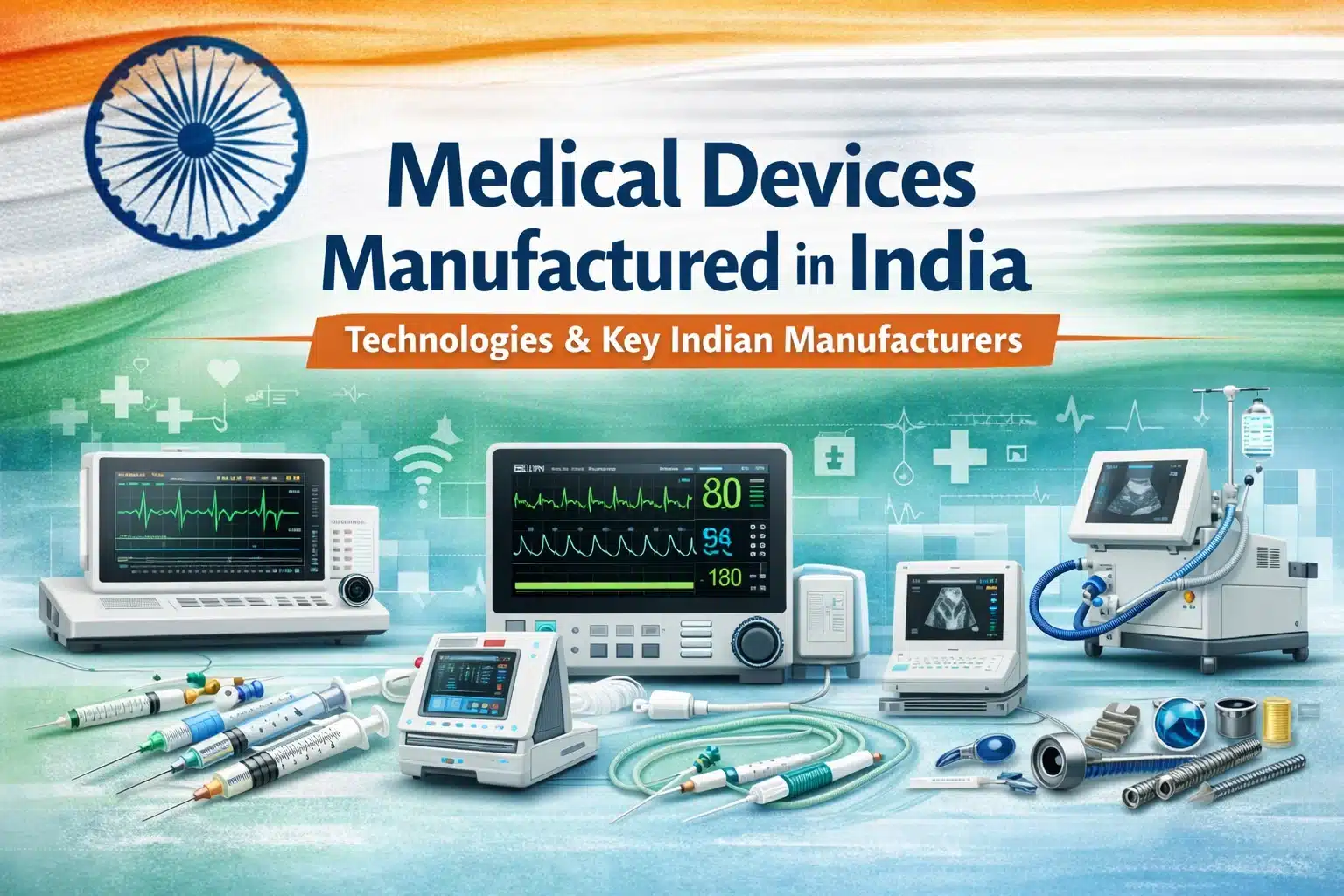
India has emerged as a rapidly growing hub for medical device manufacturing, producing a wide range of diagnostic, therapeutic, and life-support technologies used in hospitals, diagnostic centres, operating theatres, and emergency care settings.
Over the past decade, Indian manufacturers have moved beyond basic device production and are increasingly integrating digital technologies, automation, artificial intelligence, and connected healthcare platforms into modern medical equipment.
Supported by government initiatives such as Make in India, PLI schemes for medical devices, and growing healthcare infrastructure, the Indian medical device industry continues to expand. This growth is part of the broader transformation of India’s medical device industry and market trends. Government initiatives such as the PLI scheme for medical devices have accelerated manufacturing.
Major Categories of Medical Devices Manufactured in India
The following sections highlight several important medical devices manufactured in India, along with the innovations introduced by Indian manufacturers and the advanced features that support modern healthcare delivery.
Electrocardiogram (ECG) Machines
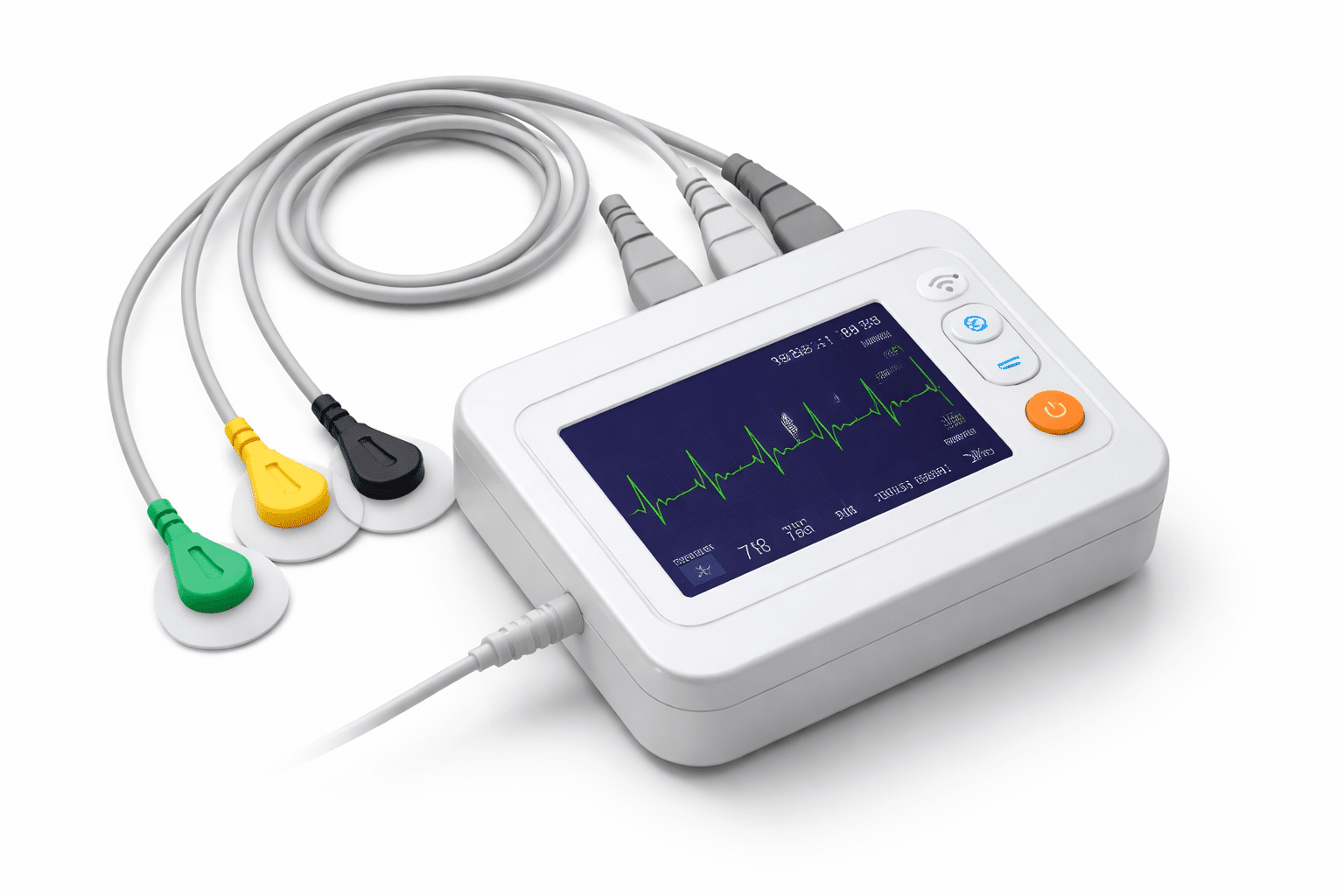
Electrocardiogram machines measure the electrical activity of the heart and are widely used to diagnose cardiovascular conditions such as arrhythmias, myocardial infarction, and conduction abnormalities.
Indian manufacturers such as BPL Medical Technologies, RMS Meditec, and Agatsa Software produce ECG systems used in hospitals, clinics, and mobile healthcare units.
One of the notable innovations in this segment has come from Agatsa Software, which developed portable ECG devices designed for digital healthcare platforms. These compact devices allow healthcare workers to capture ECG readings using portable hardware connected to smartphones or tablets. The data can then be transmitted to cardiologists for remote diagnosis, making cardiac screening possible even in remote locations. Such innovations also require support from biomedical engineers who manage medical equipment in hospitals.
According to global cardiovascular disease statistics, early screening is critical.
Innovations such as portable ECG devices developed by Agatsa have expanded access.
Modern ECG systems manufactured in India include features such as:
- High-resolution digital waveform display
- Cloud-based data storage and reporting
- Automated arrhythmia detection algorithms
- Integration with telemedicine platforms
These innovations allow cardiac diagnostics to extend beyond traditional hospital settings.
Patient Monitoring Systems
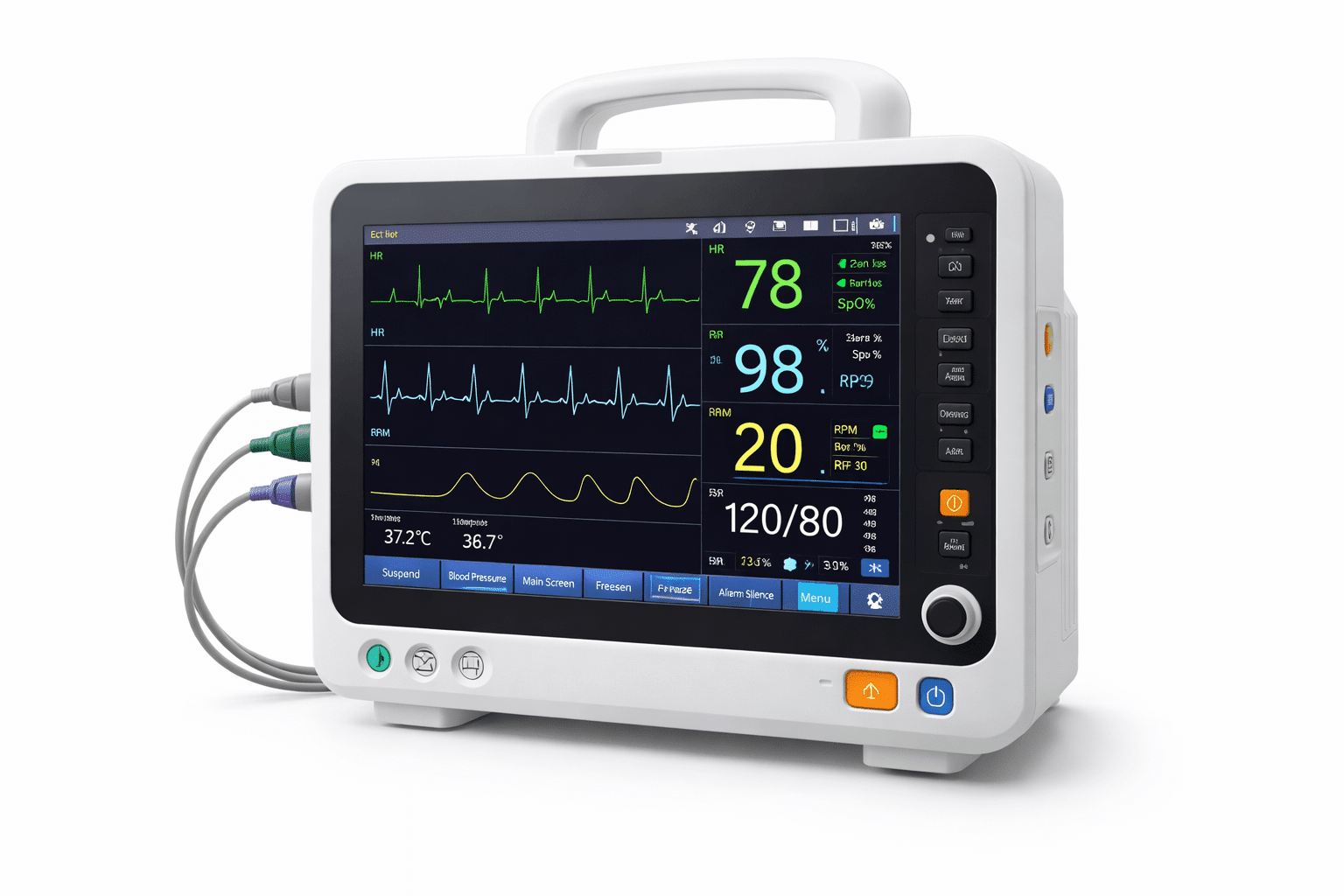
Patient monitoring systems continuously measure vital parameters such as heart rate, oxygen saturation, respiratory rate, and blood pressure. These systems are critical in intensive care units, operation theatres, and emergency departments.
Indian companies including Skanray Technologies, BPL Medical Technologies, and Allengers Medical Systems manufacture multiparameter monitoring systems used in hospitals across India and several international markets.
Indian manufacturers have recently introduced several technological improvements, including:
- Modular monitoring platforms allowing multiple sensors to be connected
- Advanced alarm management systems to alert clinicians of abnormal readings
- Large touchscreen displays for easier visualization of patient data
- Integration with hospital information systems for centralized monitoring. These systems are continuously managed and maintained by biomedical engineering teams in hospitals.
Some modern systems also support wireless patient monitoring, enabling clinicians to track patient data remotely within hospital networks.
Ventilators
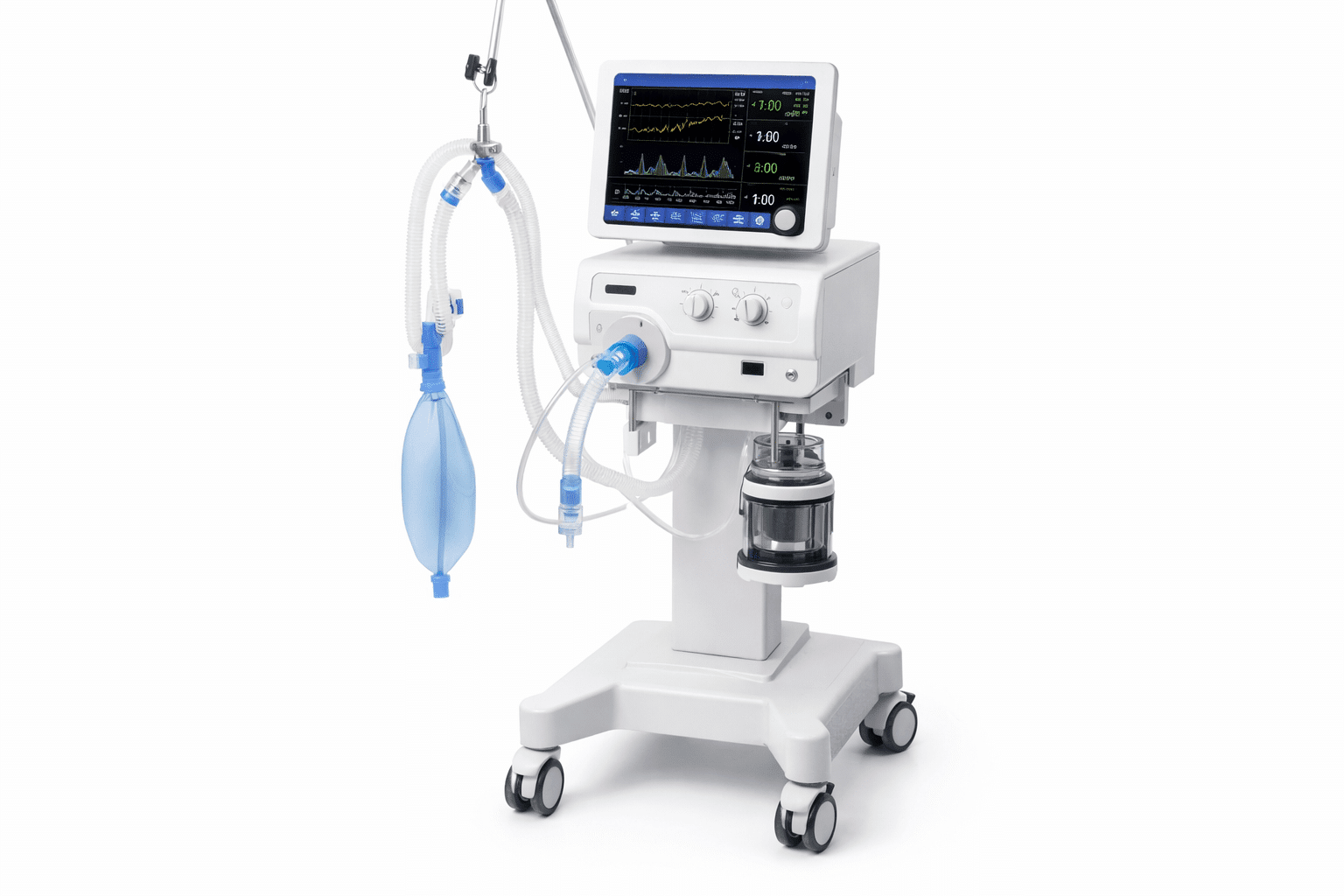
Ventilators are life-support devices that assist patients who are unable to breathe adequately due to respiratory illnesses or surgical procedures requiring anesthesia. Clinical usage aligns with WHO ventilator guidelines for critical care.
Indian ventilator manufacturers such as AgVa Healthcare, Skanray Technologies, and BPL Medical Technologies produce both invasive and non-invasive ventilation systems used in intensive care units.
A notable innovation in this field was introduced by AgVa Healthcare, which developed compact ventilators designed to deliver essential ventilation support with simplified hardware architecture. These ventilators are engineered to be cost-efficient while maintaining clinical functionality, making them suitable for hospitals with limited resources. Hospitals often evaluate such solutions through a comparison between Indian and imported medical devices.
Modern ventilators manufactured in India include advanced features such as:
- Multiple ventilation modes
- Digital airflow and pressure control algorithms
- Intelligent alarm systems for patient safety
- Touchscreen control interfaces for clinicians
These developments have improved access to ventilator technology in many healthcare settings.
Infusion Pumps
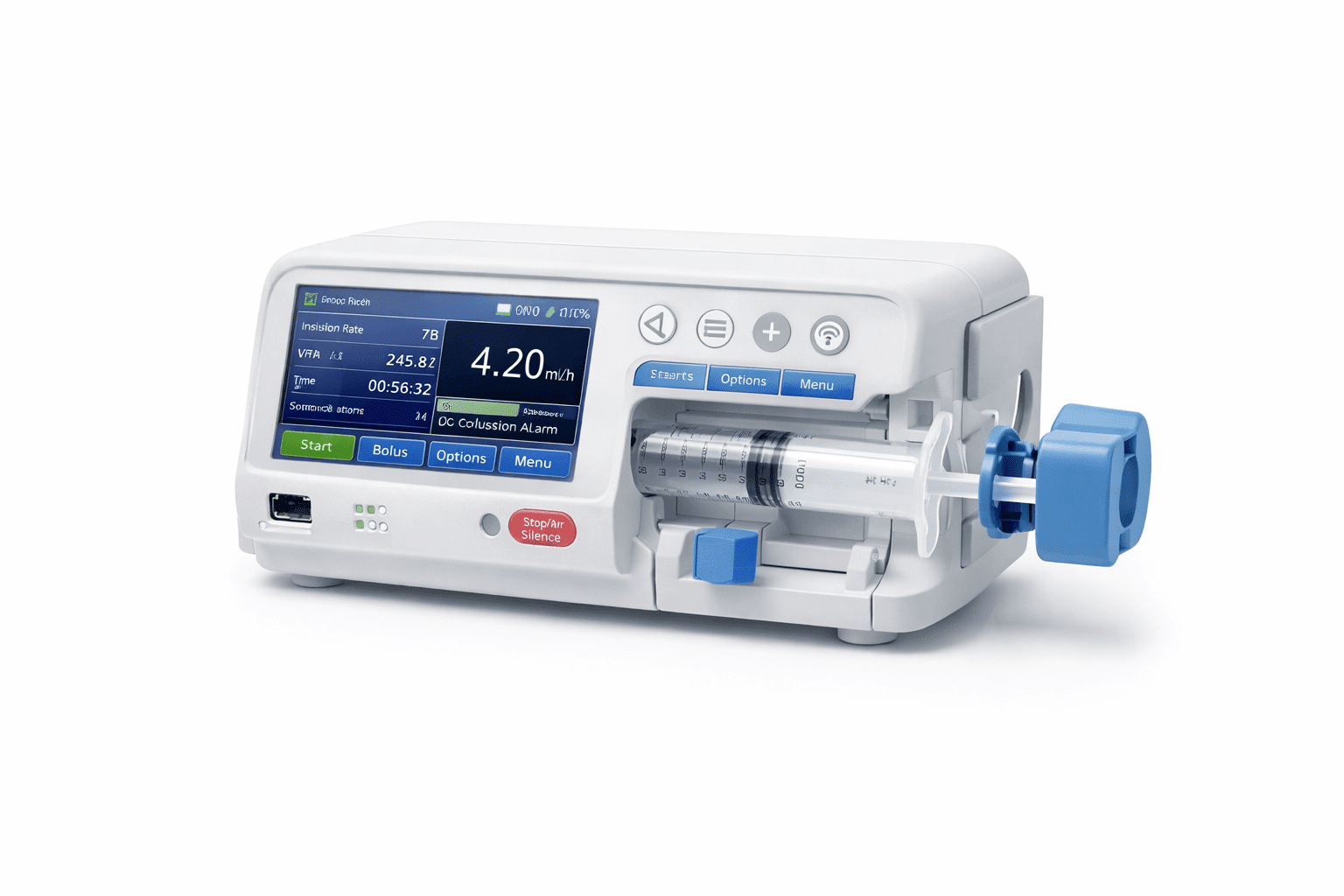
Infusion pumps deliver controlled amounts of fluids, medications, or nutrients into a patient’s bloodstream. They are widely used in intensive care, oncology treatments, and neonatal care.
Indian manufacturers including Skanray Technologies, Trivitron Healthcare, and BPL Medical Technologies produce infusion pumps designed for precise drug delivery.
Recent developments in infusion pump technology include:
- Programmable drug libraries to reduce medication errors
- Dose calculation support systems
- High-precision motor control mechanisms for accurate flow rates
- Smart alarm systems that notify clinicians of occlusions or dosage issues
These improvements have significantly increased the safety and reliability of infusion therapy.
Ultrasound Imaging Systems
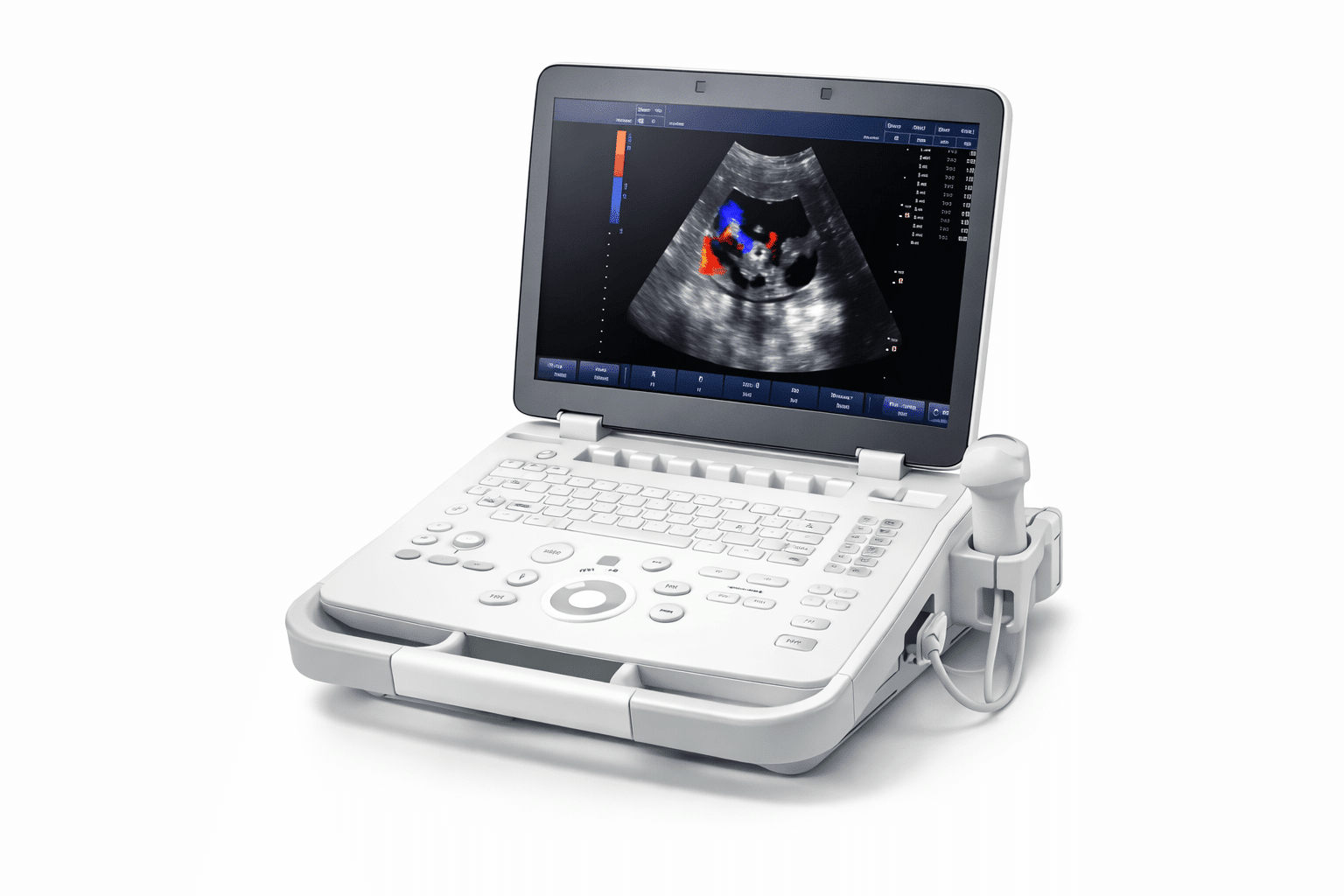
Ultrasound systems generate images of internal organs using high-frequency sound waves. These devices are widely used in obstetrics, cardiology, abdominal imaging, and emergency diagnostics.
Indian manufacturing and assembly of ultrasound systems is carried out by companies such as Wipro GE Healthcare, Trivitron Healthcare, and Allengers Medical Systems.
Recent innovations in ultrasound technology include:
- Portable handheld ultrasound devices
- Advanced digital image processing algorithms
- Doppler imaging for blood flow analysis
- Compact systems designed for mobile healthcare units
Portable ultrasound devices are particularly valuable for rural healthcare programs, where access to advanced imaging equipment may be limited.
X-Ray and Digital Radiography Systems
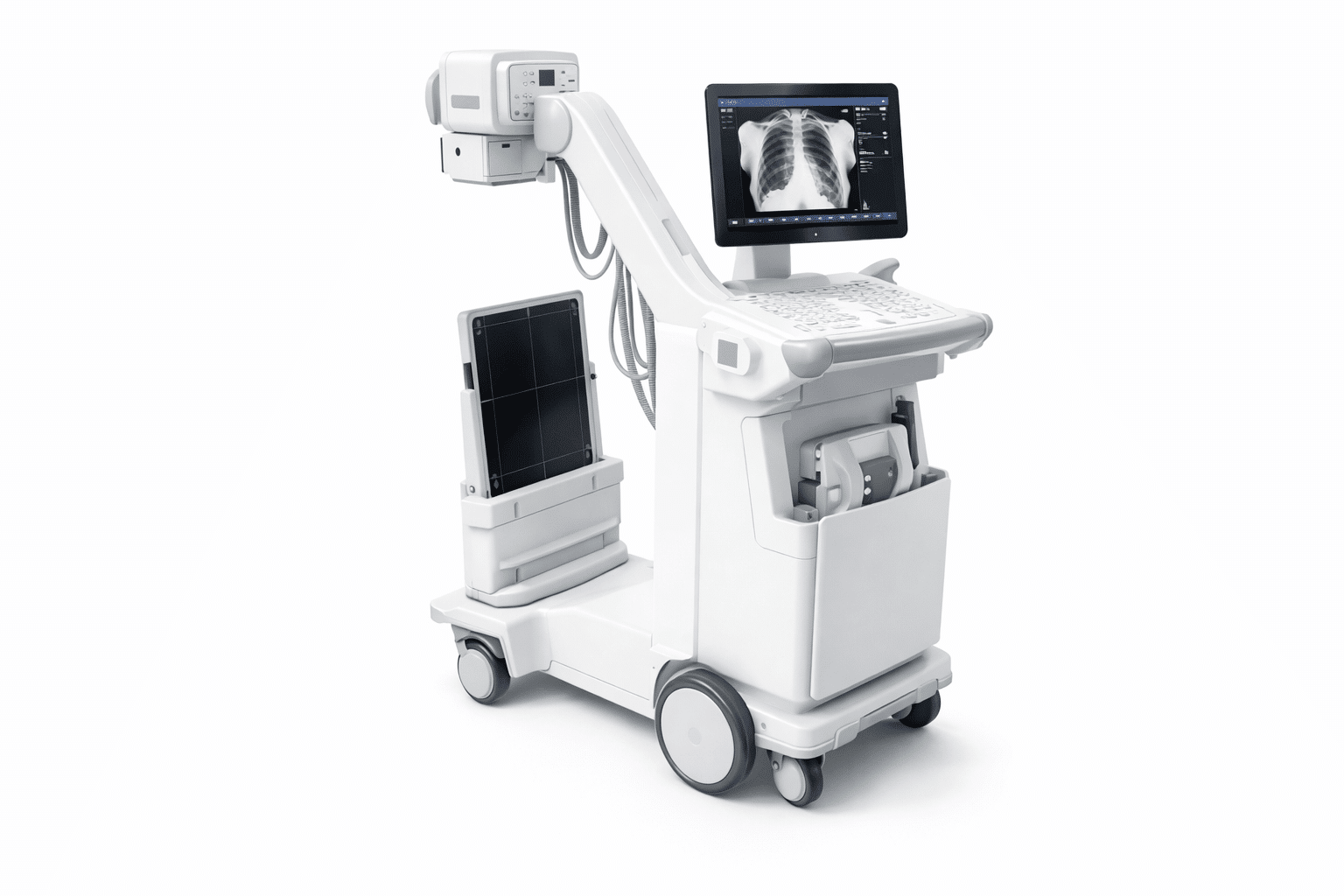
Radiographic imaging systems are used to visualize bones, lungs, and internal organs. Digital radiography systems have largely replaced traditional film-based imaging in modern hospitals.
Indian manufacturers such as Allengers Medical Systems, Trivitron Healthcare, and BPL Medical Technologies produce X-ray equipment used in diagnostic centres and hospitals.
Technological advancements in this field include:
- Flat-panel digital detectors for improved image quality
- Faster image acquisition and processing
- Reduced radiation exposure for patients
- Integration with Picture Archiving and Communication Systems (PACS)
Portable X-ray machines are also increasingly used in intensive care units and emergency departments.
Diagnostic Laboratory Equipment
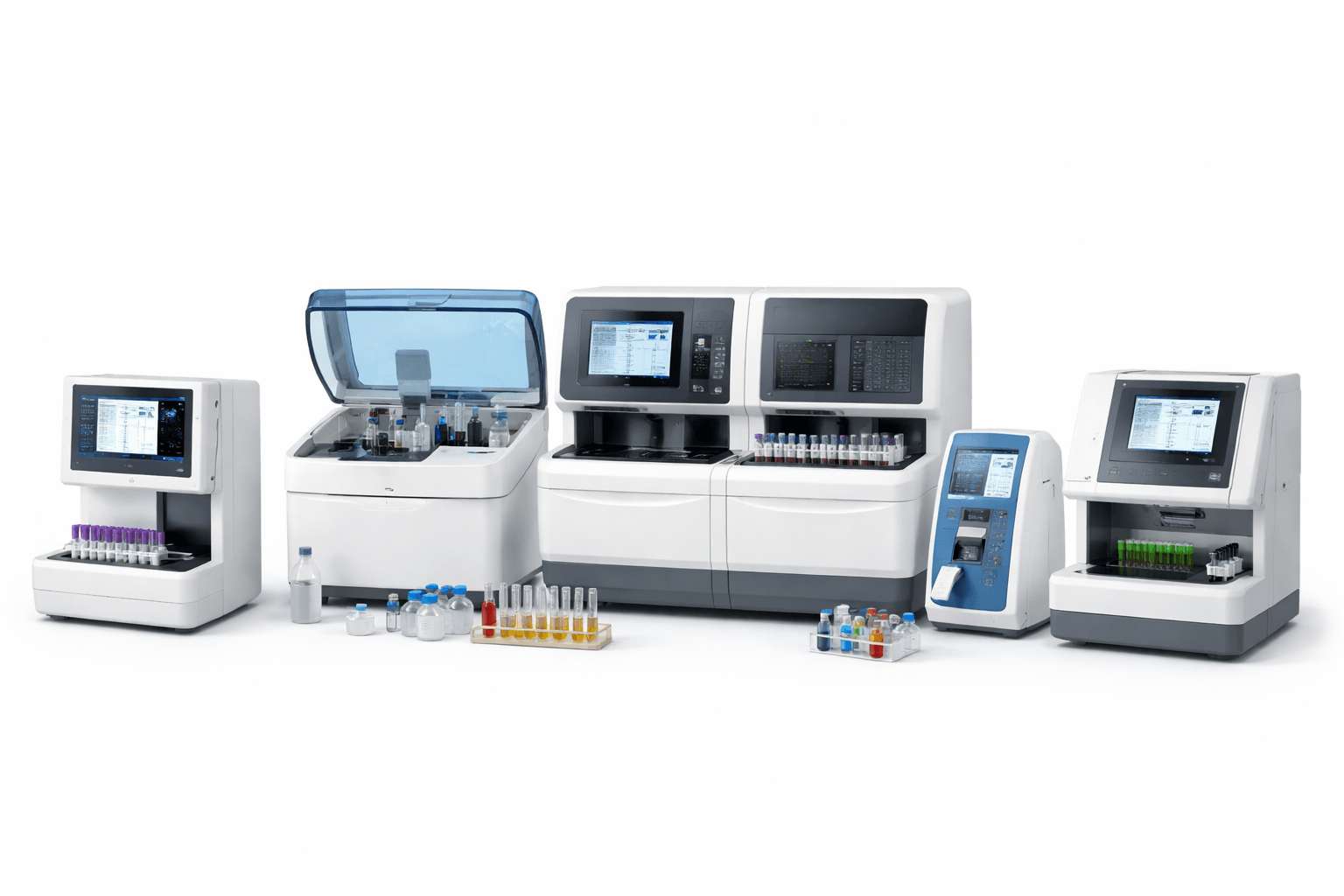
Diagnostic laboratories rely on various devices for blood analysis, biochemical testing, and disease detection.
Indian companies such as Transasia Bio-Medical, Agappe Diagnostics, and Erba Diagnostics India manufacture laboratory analyzers used in hospitals and diagnostic centres. These systems follow global standards for laboratory diagnostics and testing.
Common laboratory devices manufactured in India include:
- Hematology analyzers
- Biochemistry analyzers
- Immunoassay systems
- Electrolyte analyzers
Technological developments in this field include:
- Automated sample handling systems
- AI-assisted diagnostic algorithms.
- High-throughput analyzers for large laboratories
- Integration with laboratory information systems (LIS)
Procurement teams assess these technologies using structured methods for evaluating medical devices before purchase.
Syringes and Injection Devices
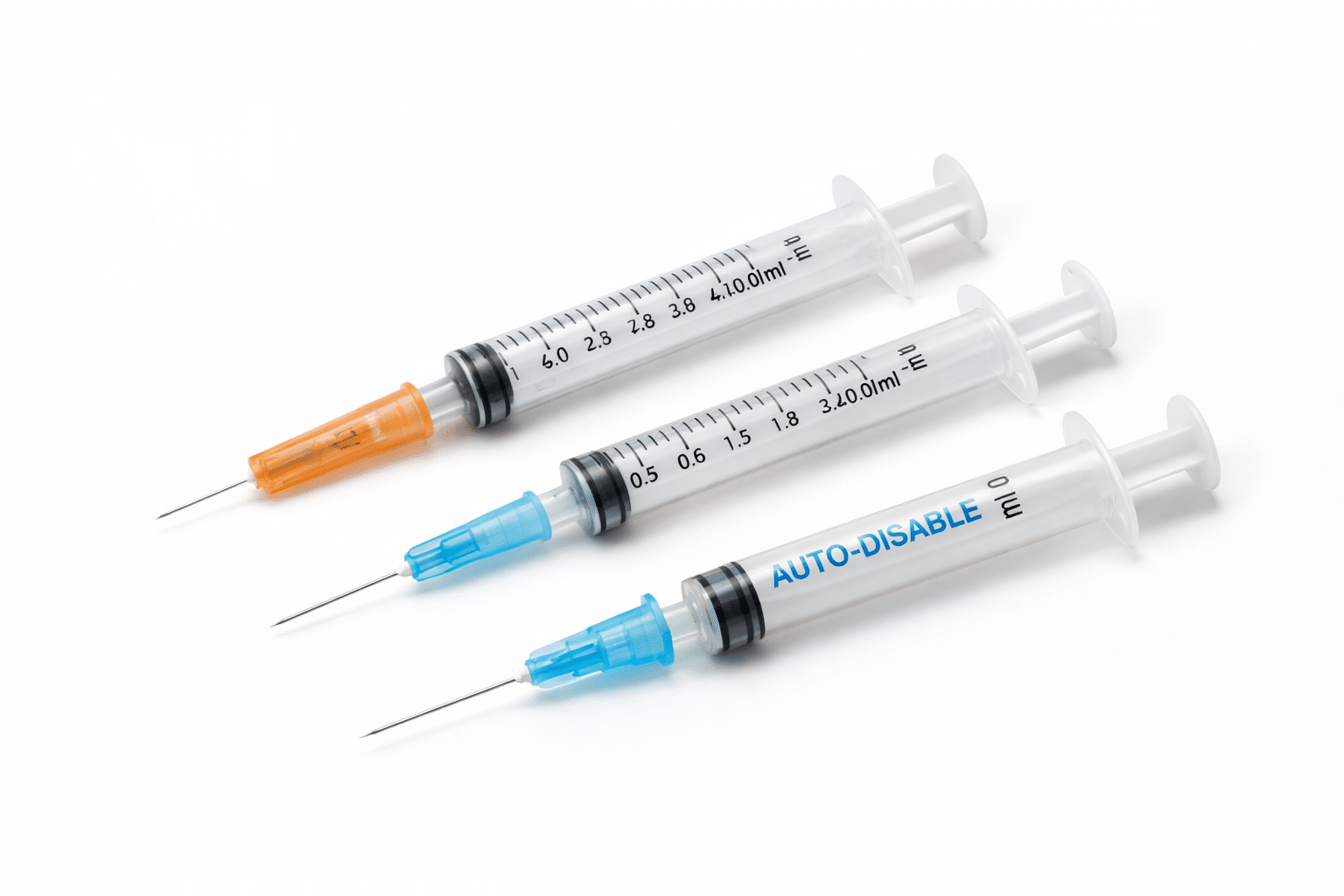
Disposable syringes are essential medical devices used for administering medications and vaccines.
According to UNICEF medical supply data, India is a major supplier globally, with companies like Hindustan Syringes & Medical Devices and Romsons Group supplying billions of syringes annually.
One of the key innovations in this field is the auto-disable syringe, developed to prevent reuse and reduce the risk of infection transmission during vaccination campaigns. These syringes automatically lock after a single use, improving safety during large-scale immunization programs.
Catheters and Intravenous Devices
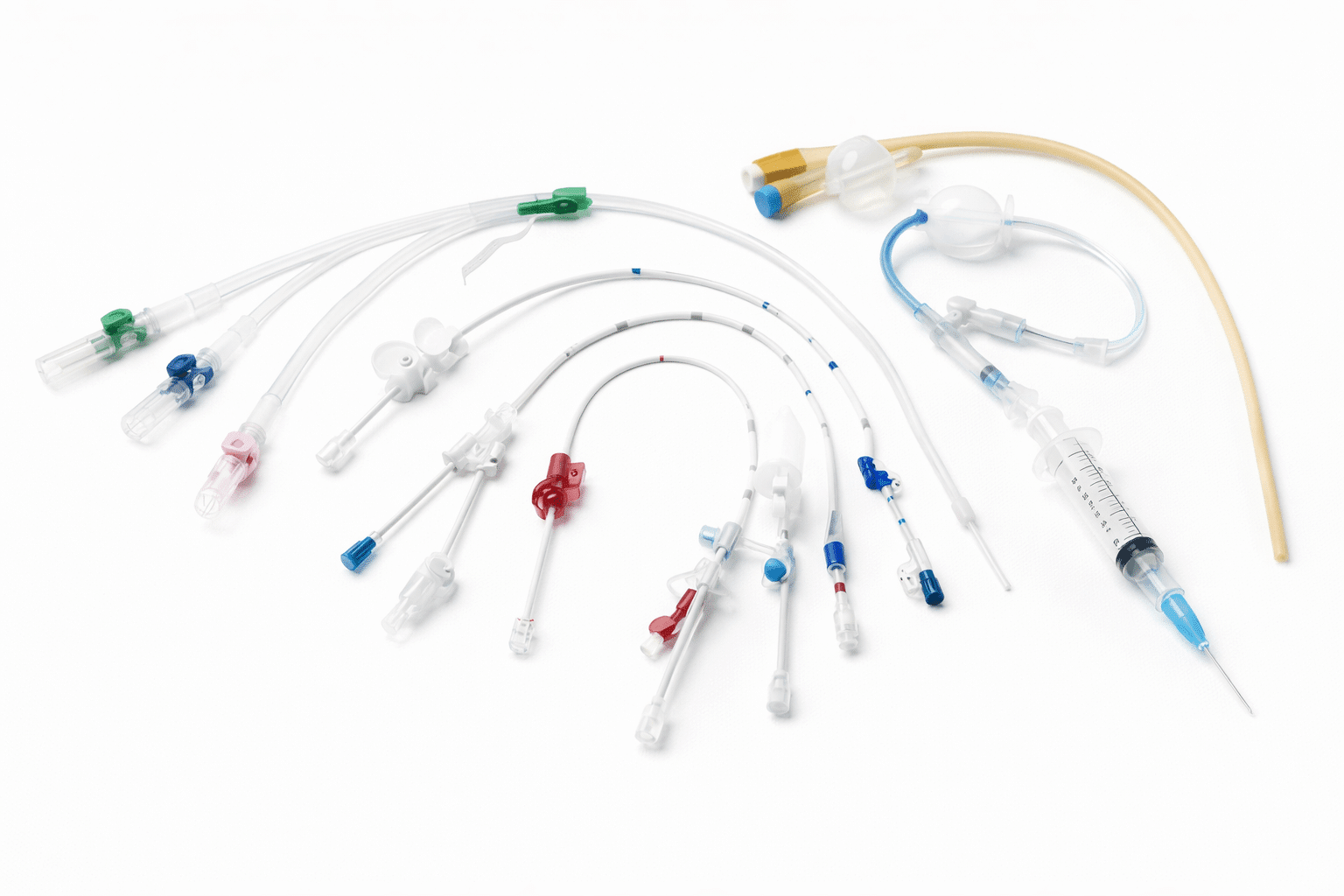
Catheters are flexible tubes used for drug delivery, fluid drainage, and diagnostic procedures. They are widely used in critical care, surgery, and long-term patient management.
Indian manufacturers such as Romsons Group, Polymed Medical Devices, and Vogt Medical India produce various catheter products including IV cannulas, central venous catheters, and urinary catheters.
Recent improvements in catheter technology include:
- Biocompatible materials designed to reduce infection risk
- Improved flexibility for patient comfort
- Advanced coatings to reduce clot formation
- Precision manufacturing to improve device reliability
These devices are essential components of many hospital treatment protocols.
Orthopedic Implants
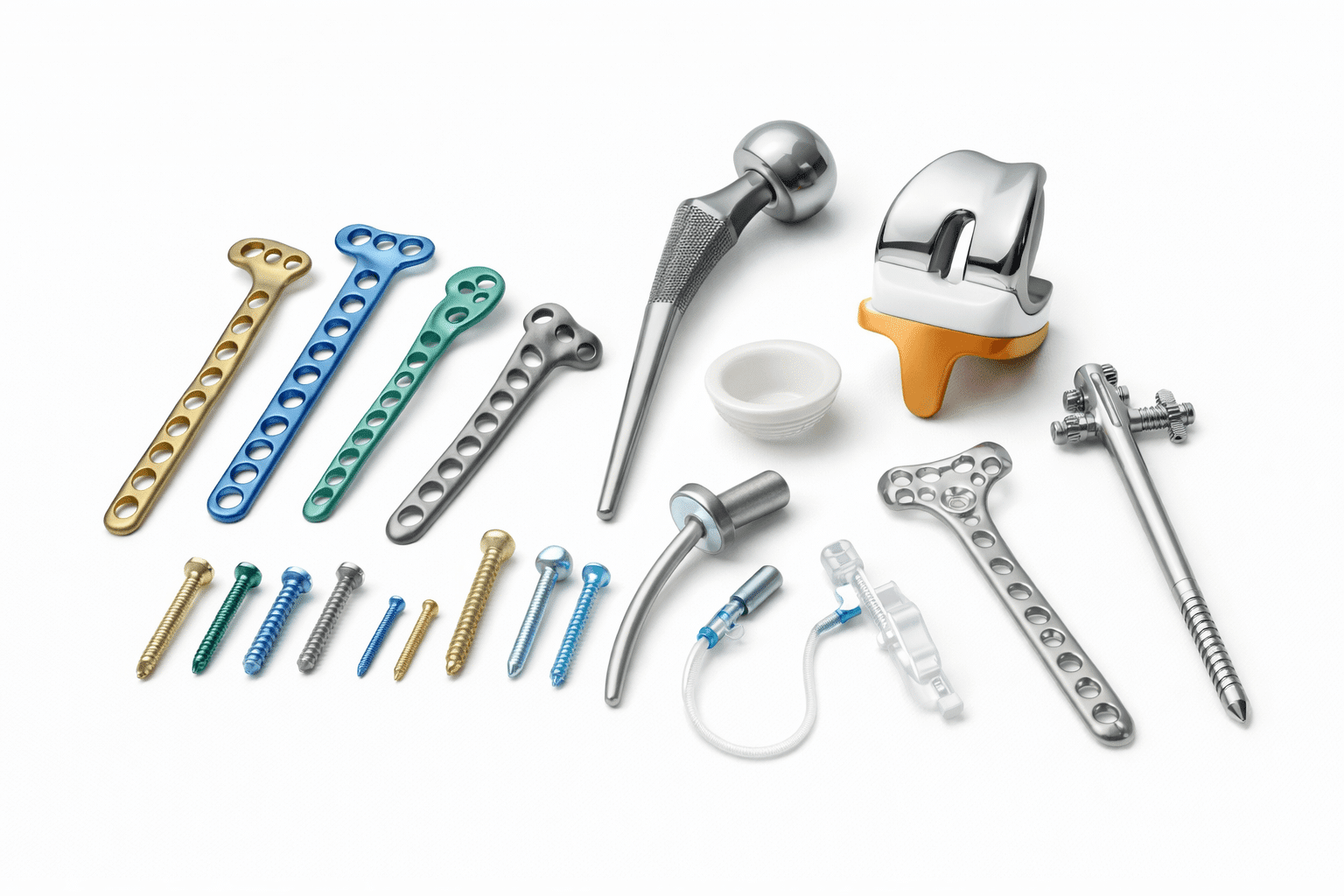
Orthopedic implants are used in surgical procedures to stabilize bones or replace damaged joints. These implants are widely used in trauma surgery and joint replacement procedures.
Indian manufacturers such as Meril Life Sciences, Sahajanand Medical Technologies (SMT), and Surgival India manufacture orthopedic implants including bone plates, screws, and joint replacement systems.
Meril Life Sciences has introduced innovations such as advanced surface coatings and improved implant geometry designed to enhance bone integration and long-term implant stability.
These developments have contributed to improved surgical outcomes and faster patient recovery.
Ophthalmic Medical Devices
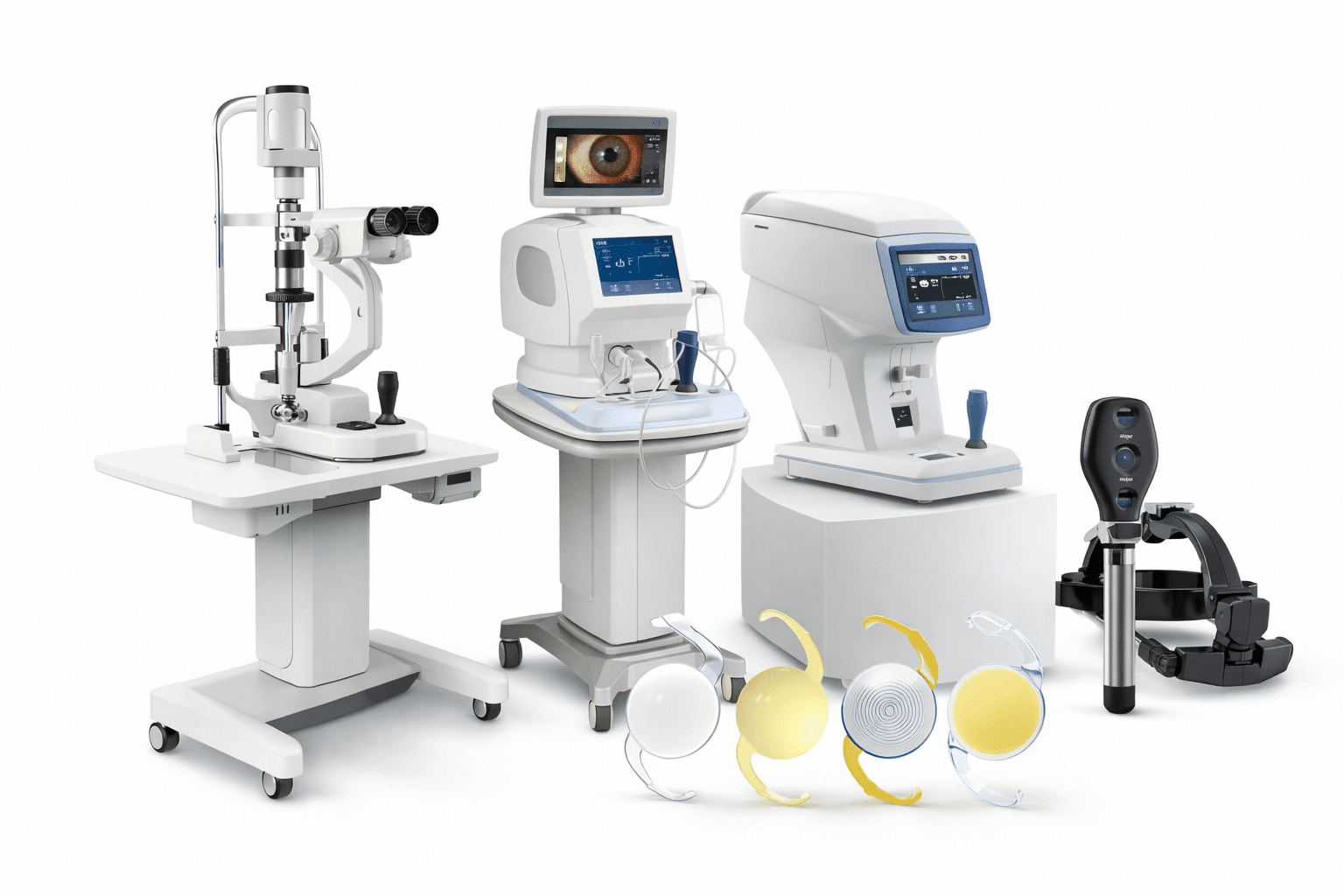
India is also a global manufacturer of ophthalmic devices used in eye care and cataract surgery.
Companies such as Aurolab (Aravind Eye Care System), Appasamy Associates, and Visioncare Medical Devices produce intraocular lenses and diagnostic ophthalmic equipment.
Aurolab has developed high-quality intraocular lenses designed to restore vision after cataract surgery. These lenses are exported globally and are widely used in high-volume cataract treatment programs.
Advanced features of modern intraocular lenses include:
- Improved optical clarity
- Foldable designs for minimally invasive surgery
- UV filtering for retinal protection
These innovations have helped expand access to affordable cataract and eye care services.
Conclusion
India’s medical device manufacturing sector now spans diagnostic equipment, life-support systems, surgical implants, disposable medical products, and digital health technologies.
Indian manufacturers are increasingly integrating automation, intelligent monitoring systems, advanced biomaterials, and connected healthcare platforms into their products.
With continued innovation, government support, and growing global demand for cost-effective healthcare technology, India is expected to become a major global hub for medical device manufacturing in the coming decade.
The Indian medical device industry is currently estimated to exceed USD 11 billion and is projected to grow significantly as domestic production expands and healthcare infrastructure continues to develop.
Platforms that promote medical devices manufactured in India can help connect Indian manufacturers with hospitals, distributors, and global healthcare buyers seeking reliable and innovative medical technologies.
Regulatory compliance is governed by the Medical Device Rules 2017 (CDSCO).
To explore more:

 Admin
Admin